Climate Change AI Virtual Summer School 2026
We are excited to host the fourth Climate Change AI Virtual Summer School in 2026! This year’s program took place from July 20–August 22, 2026.
The CCAI Virtual Summer School provides participants with the opportunity to learn about different applications of artificial intelligence (AI) for climate action from expert researchers and practitioners, and to develop important skills and expertise to make an impact in this space. Through lectures and hands-on tutorials, participants will
- Gain essential grounding in AI, climate, and their intersection,
- Engage with important frameworks for doing responsible, ethical, and impactful work in this space,
- Gain exposure to a diverse range of AI-for-climate applications,
- Gain hands-on practice in employing AI techniques for climate-relevant problems.
The program is designed for a global audience from across sectors and career stages, including researchers, practitioners, decision-makers, and students across academia, industry, entrepreneurship, civil society, and the public sector. The program content is particularly geared towards participants who have some prior engagement with either AI or climate-relevant areas and want to learn more about their intersection. If you are interested in learning about ways to responsibly and impactfully leverage AI to tackle major climate problems, we encourage you to check out the program!
Dates & Key Info
📅 Dates: July 20 – August 22, 2026
📍 Location: Virtual
🕒 Schedule: Lectures will be presented live, as well as recorded. Tutorials will be fully asynchronous. See the Schedule section of the website for the full schedule. Participants do not need to attend all lectures – they are welcome to engage with specific lectures and tutorials based on their interest and availability.
🏅Certificate of Participation: Certificates of participation will be provided to those who complete 6 foundation modules and at least 4 sectoral modules (see Program Structure). Live lecture attendance is not required to receive a certificate. Participants will have until September 20, 2026 to complete the requirements and receive a certificate. Participants will retain access to program content indefinitely after the program.
💬 Language: The program will be conducted in English. Lectures will include live interpretation into French, Italian, Spanish, and Portuguese. Live automatic subtitles in additional languages will also be available via Zoom.
🎟️ Registration fee: $30 (USD) for participants residing in high-income economies and $10 (USD) for participants residing outside high-income economies. Fee waivers are also available, as we are eager to ensure that program fees are not a barrier to participation for any individual.
⌛ Registration deadline: Registration is now closed.
📧 Contact: summerschool+virtual@climatechange.ai. Please also see the Frequently Asked Questions section in case your question is already answered there.
Program Structure
Throughout the program in July and August, participants will engage in various “content modules” – each consisting of pre-readings, a lecture, and often a hands-on coding tutorial – that aim to equip participants with an overview of a given area and provide hands-on practice with a particular application and/or tool. Content modules come in two forms:
- Foundation modules provide important technical and socio-technical underpinnings for doing responsible, impactful, and scientifically-grounded AI-for-climate work. Modules include introductions to AI and climate change; responsible, ethical, and sustainable AI; and considerations for shaping AI-for-climate projects in practice.
- Sectoral modules contextualize where both basic and advanced AI methods play a role in different climate-relevant sectors, including opportunities, limitations, and important considerations. These modules are meant to provide participants with broad overviews alongside concrete examples of AI-for-climate work within a given sector.
In addition, self-study materials will be made available to help participants without prior background in AI or coding acquire relevant background necessary for completion of the hands-on coding tutorials. (These materials are optional, i.e., are not required for participation in the Virtual Summer School program.)
Certificate of participation requirements: To receive a certificate of participation, you must complete 6 foundation modules and at least 4 sectoral modules. Participants will have until September 20, 2026 to complete all certificate requirements. Live lecture attendance is not required to receive a certificate; lectures will both be presented live and also be recorded. Tutorials (interactive Python coding notebooks) will be fully asynchronous.
Content access: Participants will retain access to the program’s lectures and tutorials indefinitely after the program.
Program platform: All program participants will be onboarded to the Climate Change AI Community Platform, which will be used for all program-related communications. The Community Platform is an online forum where they can engage in discussions with others, participate in Q&A on lectures and tutorials, and engage in discussions on climate change and AI projects and topics with the broader Climate Change AI community. Virtual Summer School participants will retain access to the Community Platform even after the end of the program. In addition, participants will be onboarded to a platform called LearnWorlds to gain access to program materials.
Instructors
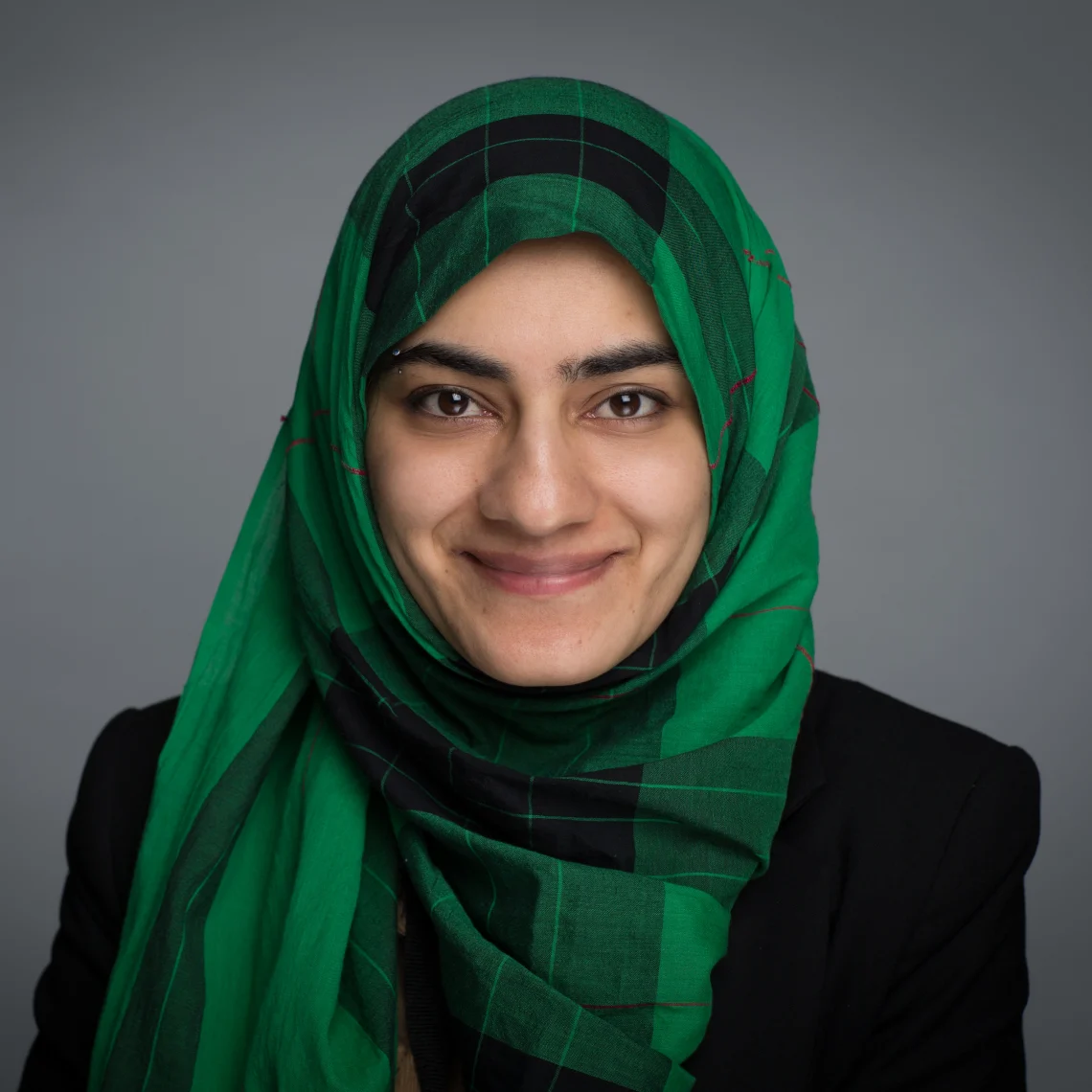
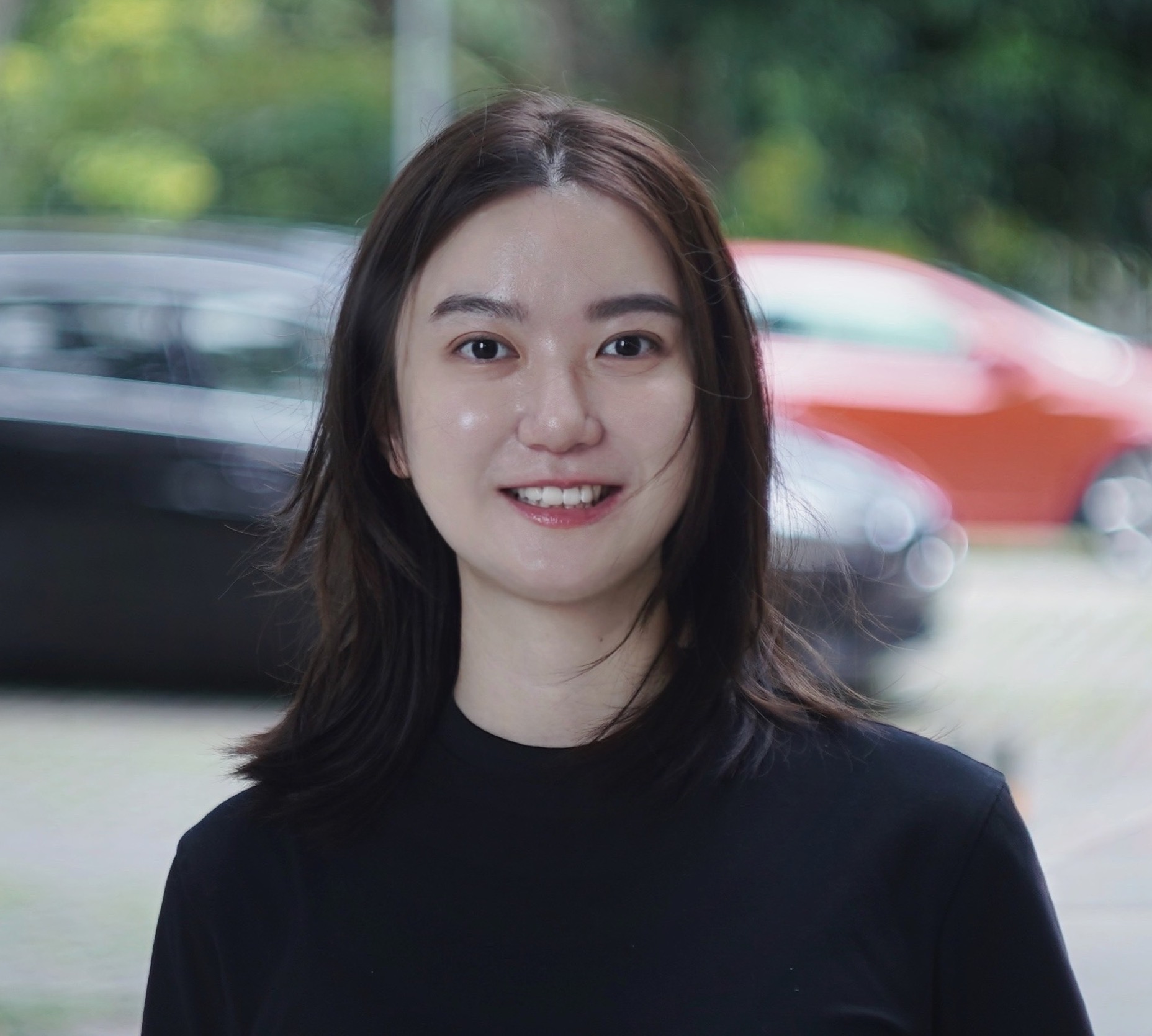
Lecturers



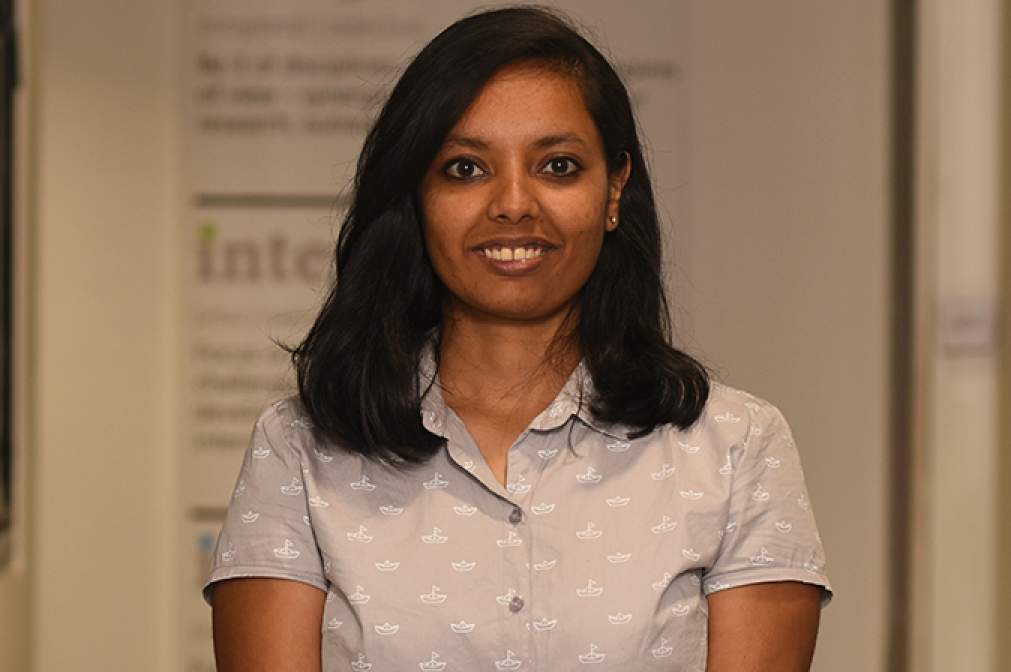
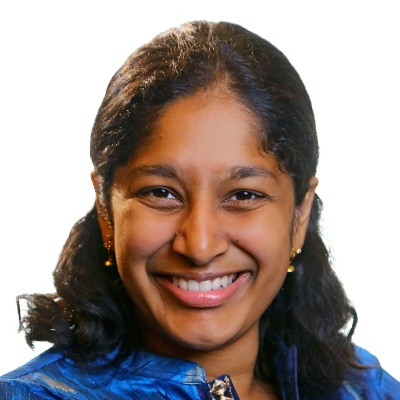
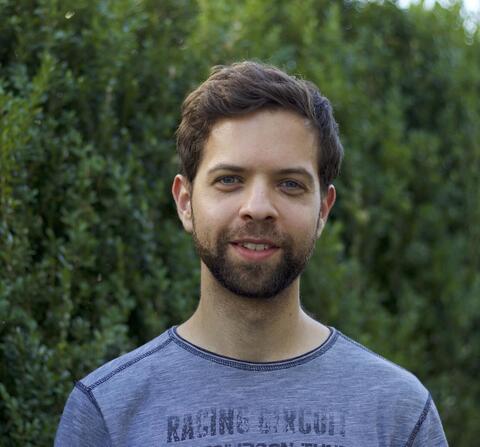
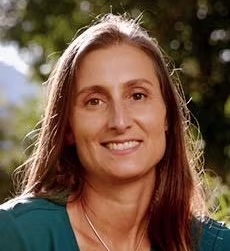
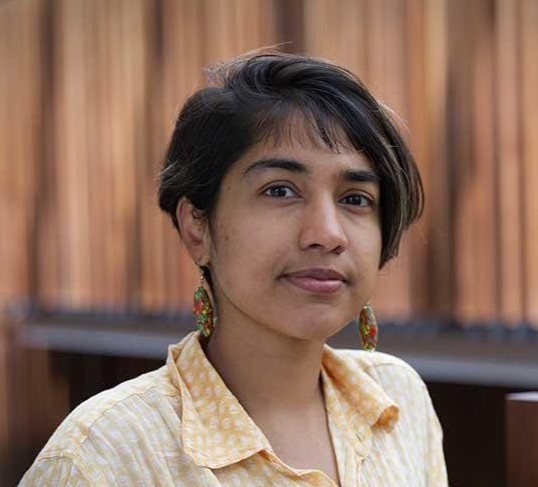
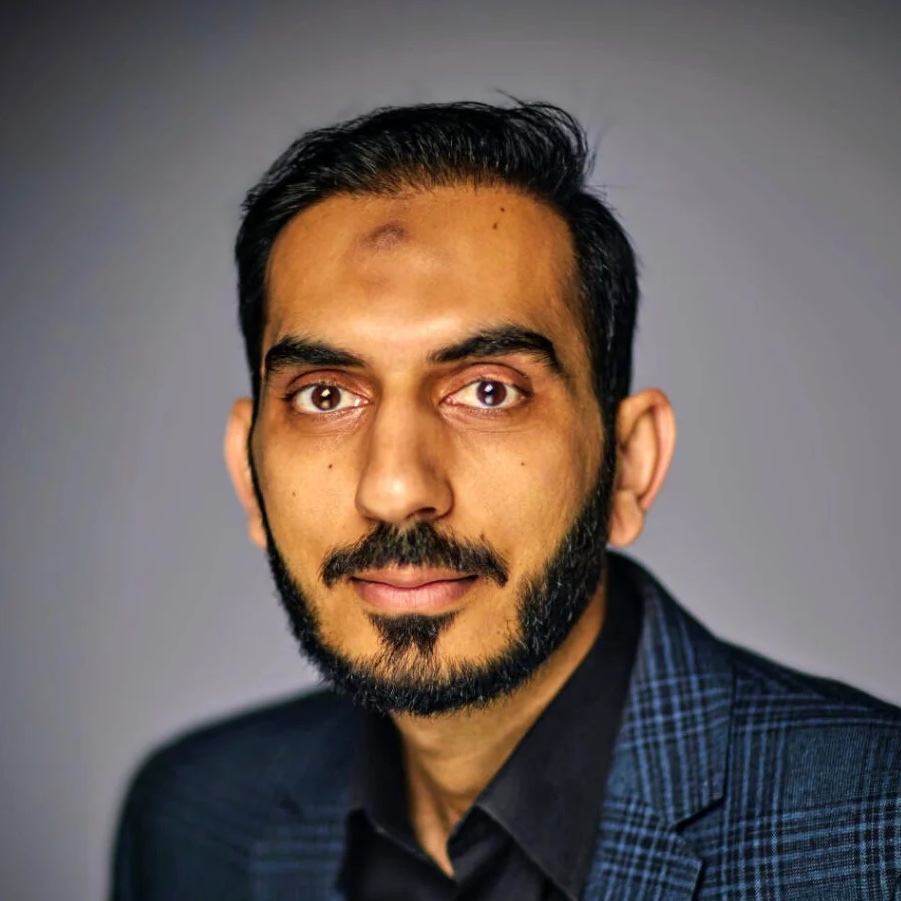
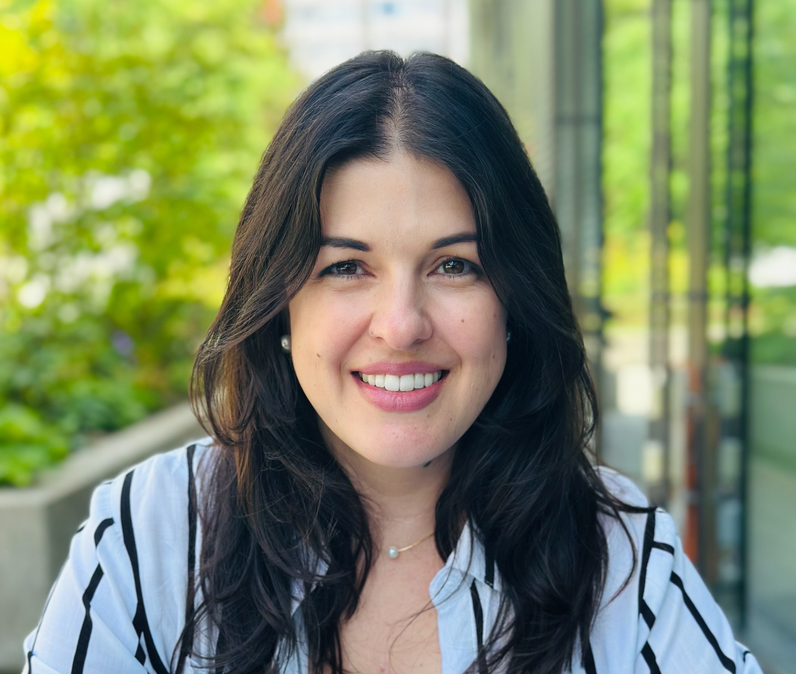

Tutorial Creators

























Schedule
Lectures will be held live at the times listed below, with recordings available shortly afterwards for those who are not able to attend live. Tutorials will be completed fully asynchronously. Participants do not need to attend all lectures – they are welcome to engage with specific lectures and tutorials based on their interest and availability. Note that the schedule is subject to change.
Week 1 - July 20-24, 2026
| Date | Time (UTC) | Lecture | Lecture Type |
|---|---|---|---|
| Mon, Jul 20 | 14:00-16:00 | Tackling Climate Change with Machine Learning – Maria João Sousa, David Rolnick, Priya L. Donti | Foundation |
| Tue, Jul 21 | 14:00–16:00 | AI for Climate Science – Claire Monteleoni | Sectoral |
| Wed, Jul 22 | 10:00-12:00 | AI for Policy, Economics, and Social Sciences – Carlos Rodriguez-Pardo, Mary Sanford | Sectoral |
| Thu, Jul 23 | 14:00-16:00 | Introduction to AI – Tejumade Afonja | Foundation |
| Fri, Jul 24 | 14:00-16:00 | Introduction to Climate Change – Benjamin Cook | Foundation |
| Fri, Jul 24 | 18:00-19:00 | Introduction to AI Policy & Regulation - Costa Samaras | Foundation |
Week 2 - July 27-31, 2026
| Date | Time (UTC) | Lecture | Lecture Type |
|---|---|---|---|
| Mon, Jul 27 | 10:00–12:00 | AI for Agriculture and Food Security - Aliny Reis | Sectoral |
| Tue, Jul 28 | 10:00–12:00 | AI for Buildings & Cities - Nipun Batra, Binyu Lei | Sectoral |
| Wed, Jul 29 | 14:00–16:00 | AI for Transportation - Cathy Wu | Sectoral |
| Thu, Jul 30 | 10:00–12:00 | AI for Water Resources and Hydrology - Nagesh Kumar | Sectoral |
| Fri, Jul 31 | 10:00–12:00 | AI for Weather - Rendani Mbuvha, Shruti Nath | Sectoral |
Week 3 - August 3-7, 2026
| Date | Time (UTC) | Lecture | Lecture Type |
|---|---|---|---|
| Mon, Aug 3 | 10:00–12:00 | Responsible & Ethical AI - Virginia Dignum | Foundation |
| Tue, Aug 4 | 10:00–12:00 | AI for Forestry - Silvana Amaral Kampel | Sectoral |
| Wed, Aug 5 | 10:00–11:00 | Introduction to Climate Policy & Regulation - Vaibhav Chugh, Pallavi Das | Foundation |
| Thu, Aug 6 | 18:00–20:00 | AI for Oceans & Marine Systems - Maike Sonnewald | Sectoral |
| Fri, Aug 7 | 14:00–16:00 | Shaping Your AI-for-Climate Project in Practice - Dina Machuve | Foundation |
Week 4 - August 10-14, 2026
| Date | Time (UTC) | Lecture | Lecture Type |
|---|---|---|---|
| Mon, Aug 10 | 14:00–16:00 | AI for Power & Energy Systems - Jose Córdova-García | Sectoral |
| Tue, Aug 11 | 10:00–12:00 | AI for Climate Finance - Malte Toetzke | Sectoral |
| Wed, Aug 12 | 14:00–16:00 | Sustainability Impacts of AI - Nikola Milojevic-Dupont | Foundation |
| Thu, Aug 13 | 14:00–16:00 | AI for Accelerated Materials Science - Francisco Martin-Martinez | Sectoral |
| Fri, Aug 14 | 14:00–16:00 | AI for Public Health - Sara Khalid, Usman Nazir | Sectoral |
Week 5 - August 17-21, 2026
| Date | Time (UTC) | Lecture | Lecture Type |
|---|---|---|---|
| Mon, Aug 17 | 14:00–16:00 | AI for Biodiversity & Ecosystems - Benjamin Kellenberger | Sectoral |
| Tue, Aug 18 | 14:00–16:00 | AI for Risk Assessment, Disaster Management & Relief - Mersedeh TariVerdi | Sectoral |
| Wed, Aug 19 | 14:00–16:00 | Combining AI and Indigenous Knowledge for Climate Action - Sonajharia Minz | Sectoral |
| Thu, Aug 20 | 18:00–20:00 | AI for Carbon Accounting (MRV) - Daniel Cusworth | Sectoral |
Partners
Strategic & Content Partners



Network Partners





Organizers
On behalf of Climate Change AI:
Ana Maria Quintero Ossa (University College London)
Alamin Musa Magaga (Nest Africa AI Innovation Lab)
David Quispe (University of Toronto)
Amanda Murray (Duke University)
Olivia Zhang (University of Florida)
Oluwaferanmi Oladepo (Federal University of Technology, Akure)
Mary Salami (University of California, Santa Barbara)
Priya Donti (MIT)
Coordination Support: Ashley Eugley
Teaching Assistants: Akram Zaytar, Andrés Felipe Perez Murcia, Asbina Baral, Barbara Templ, Bernard Opoku, Chris Yeh, Christian Tran, El Khalil Cherif, Ellie Kim, Eloise Lopez, Gabriela Yaulli Herrera, Mohammed Bayero Yayandi, Nirdesh Sharma, Samuel Fernandes, Sara Badran, Sima Rahmani, Tarini Bhatnagar, Tariq Shahzad, Yazid Mikail, Ying-Jung Chen
Content Reviewers: Alamin Musa Magaga, Amanda Murray, Ana Maria Quintero Ossa, David Quispe, David Rolnick, Diyali Goswami, Ivan Poon, Jesse Dunietz, Konstantin Klemmer, Marcus Voss, Millie Chapman, Olivia Zhang, Panos Moutis, Peetak Mitra, Ping Yang, Priya Donti, Puja Das, Sarah Skenazy, Tariq Shahzad, Veevee Cai, Weikang Qian
Interpreters: Kevin Mian, Alice Fissore, Andrea Cabrera Yrrarazábal, Angela Ortenzio, Anna Marchianò, Belkiss Adamo Issufo, Camila Valeria Vasquez Echenique, Daniel Pedro Objane, Diego Nuñez, Divya Moorjani, Emanuele Dallasta, Enguene-Bikolo Nguini M-Noel Arlette, Enoque Comle, Fatinha Facinelli, Federica Oliva, Florencia Denise Ochoa, Francesco Bergamini, Gaia Frenquelli, Giorgia Giallombardo, Giulia Gavinelli, Gloria Barbagallo, Héctor Rodríguez Rodríguez, Isabella Mangani, Jiaxin Zheng, Kengne Defo Norine Andreas, Lea Filgueira López, Linda Curioni, Marcial González Ayela, Maribel Ercilla, Michele Martire, Myriam Macrì, Naomi Gambo, Olamide Blessing Adeyoju, Piero Ramos Suárez, Roberta Bosa, Sara Camellini, Sara Pasini, Sofia Carpio Olascoaga, Ziemi Tchuidjang Yohanne Ashley
Ambassadors: Abba Ibrahim, Abraham Tesfaye, Acheampong Baafi-Adomako, Adetomiwa Adedeji, Aida Usmanova, Alexander Appadurai, Ari Mamadou Kakatouda, Cosmas Knowen, Driss Belkhiri, Elikplim Sabblah, Emmanuel Rassou, Enock Sangaka Mong’Are, Geofrey Mokami Kegocha, Gneba Toali Wilfried, Goodluck Adimuko, Guedezoume Behanzin Marthe Paulette, Hana Touati, Harnred Mbula Ndaka, Ho Wei Liang, Islam Gamal, Jade Matthieson, Jerry Chong, Jesse Nyokabi, Jim Procter, Jive Lubbungu, João Tadeu Alves Dos Santos, Jun Tee, Kennedy Kamande Wangari, Khaled Mohamad, Letetia Addison, Lina Amel Abdi, Mfon Clement Utin , Miguel Wood, Mostafa Bousbaa, Muhammad Muquadam Ayuba, Natalia Efremova, Natalia Rocío Riveros Núñez, Onwuka Melissa Eberechi, Patricia Ojonoka Idakwo, Renata Ramos Merino, Samienta Charles, Samuel Agyemang Osei, Sebastian Guillen Chavez, Segun Bamidele, Shafa Salsabila Kurniawan, Sherif Atanda, Simon N., Soha Sesseya Arnaud Sas, Solomon Terkimbi Adagba, Steve Nanoudjal, WiDS Trinidad and Tobago, Yassin Mohamed Ahmed Elesawy, Yi Nam Xu
Frequently Asked Questions
Program Content and Focus
Q: What is meant by AI?
A: Broadly speaking, artificial intelligence (AI) encompasses any computer algorithm that makes predictions, recommendations, or decisions on the basis of a defined set of objectives. Many prominent examples of AI today are from a sub-area called machine learning (ML), which refers to techniques that infer patterns from examples (e.g., data). ML is used to describe a wide variety of techniques that range in their type and complexity, including, e.g., linear regression, decision trees, and deep neural networks; discriminative models vs. generative models; and task-specific models vs. general-purpose models.
Q: What types of AI will the CCAI Virtual Summer School focus on?
In the CCAI Virtual Summer School, our focus is on AI and ML algorithms broadly (as defined in the FAQ on “What is meant by AI?”) and their applications in climate change. The program is not focused on commercial AI assistants (e.g., ChatGPT, Claude, Gemini) or on agentic AI tools. Our aim is instead to give participants technical and socio-technical grounding in AI/ML methods and their climate-related applications.
Q: What areas of climate change will be covered?
A: Topics covered in the Summer School will span climate change mitigation (reducing or preventing greenhouse gas emissions), adaptation (building resilience and robustness to the effects of a changing climate), and climate science (understanding and predicting climate change).
Q: Are there prerequisites for the program? What prior knowledge is expected?
A: The program will begin with introductory lectures on AI and on climate change. The rest of the lectures will be presented to be accessible to individuals from a broad range of backgrounds, without any assumed prerequisites beyond the content of these introductory lectures. Hands-on coding tutorials will be presented in Python, and some prior familiarity with Python programming is assumed; self-study materials will be sent before the Summer School to help participants without prior background in Python programming acquire some introductory experience. Most tutorials assume only minimal prerequisite knowledge about AI, whereas some tutorials assume more substantial prior knowledge of AI. Prerequisites for individual tutorials will be flagged prior to the start of the Summer School.
Q: What sectoral modules will be available?
A: Currently, we anticipate providing sectoral modules on the following topics, though this is subject to change: AI for Accelerated Materials Science; AI for Agriculture and Food Security; AI for Biodiversity & Ecosystems; AI for Buildings & Cities; AI for Carbon Accounting (Monitoring, Reporting, and Verification); AI for Climate Finance; AI for Climate Science; AI for Forestry; AI for Oceans & Marine Systems; AI for Policy, Economics & Social Sciences; AI for Power & Energy Systems; AI for Public Health; AI for Risk Assessment, Disaster Management & Relief; AI for Transportation; AI for Water Resources and Hydrology; AI for Weather; Combining AI and Indigenous Knowledge for Climate Action.
Registration
Q: How can I register for the program?
A: You can register via a standard (paid) registration by filling out this form. After filling out the form, you will receive an email with payment instructions. After your payment is successfully processed, you will be onboarded to the CCAI Community Platform, which will be used for all program-related communications and to share program materials.
Q: What are the registration fees?
A: Registration fees are $30 (USD) for participants residing in high-income economies and $10 (USD) for participants residing outside high-income economies. We define “high-income economies” based on the World Bank country classification (see the header HIGH-INCOME ECONOMIES ($14,375 OR MORE) at this link).
Q: Are registration fees based on my country of residence or my country of origin?
A: Registration fees are based on your country of residence.
Q: Are fee waivers available (i.e., can I receive free registration)?
A: Yes, fee waivers are available, as we are eager to ensure that program fees are not a barrier to participation for any individual. You can request a fee waiver using this form. If you submit a fee waiver request, please do not separately complete the standard registration form.
Q: Are group registration options available?
A: Yes. Groups may pay in bulk for multiple registrations via this link. Please be sure to select the correct number of registrations and registration type based on the geography in which your participants are based. After submitting the group payment form, the payer will receive a bulk registration coupon code via email. Each program participant must also register separately using the standard registration form; when the participant receives their individualized payment link, they can use the bulk registration coupon code to bypass payment, after which they will be onboarded to the program.
Q: Does the CCAI Virtual Summer School accept paid registrations from all countries?
A: CCAI is unable to accept payments originating in the following countries and regions: Cuba, Iran, North Korea, the Crimea Region of Ukraine, the so-called Donetsk People’s Republic and Luhansk People’s Republic regions of Ukraine, Belarus, Russia, Syria, and Venezuela.
Individuals based in Belarus, Russia, Syria, and Venezuela who may otherwise be eligible to participate cannot submit paid registrations, and should instead apply for a fee waiver. See the FAQ on Eligibility for more details on who is eligible to participate.
Q: What is the deadline for registering?
A: Registration for the Virtual Summer School will remain open until the end of the program.
Logistics
Q: How do I access the program?
A: You will be prompted to join the Climate Change AI Community Platform and a platform called LearnWorlds upon completion of your registration. All information will be shared via these two platforms.
Q: At what times will lectures and tutorials be held?
A: Lectures will be held live according to the Schedule above, and will also be recorded. Coding tutorials are to be completed by participants in a self-paced manner (i.e., asynchronously) during the program.
Q: When will the schedule for the program be posted?
A: The schedule is now posted – see the Schedule section of the website.
Certificates and Time Commitment
Q: Will Climate Change AI provide certificates of participation for the program?
A: Yes. To get the certificate, participants must complete 6 foundation modules and at least 4 sectoral modules.
Q: Do I need to attend lectures live to obtain the certificate of participation?
A: No. Live lecture attendance is not required to receive a certificate. Participants will have access to recordings shortly after the live lectures.
Q: Until when can I complete certificate requirements?
A: Participants will have until September 20, 2026 to complete all certificate requirements, in order to receive a certificate of participation. Participants will also retain access to program content indefinitely after the program.
Q: What is the time commitment associated with the program?
A: Different participants can choose to engage with the program differently, which will affect the total time commitment. We anticipate that completing the requirements associated with the certificate of participation will take participants ~30 hours total (~6 hours/week) over the 5 weeks of the program (including lectures, tutorials, and asynchronous assignments). Alternatively, participants may choose to engage at a lower level of commitment if they so wish, i.e., engage with specific lectures and tutorials based on their interest and availability.
Eligibility
Q: Who is eligible to participate in the CCAI Virtual Summer School?
A: The CCAI Virtual Summer School is designed to bring together a global audience from across countries, sectors, and career stages. However, pursuant to United States federal laws and regulations, there are some restrictions on who may participate.
In accordance with United States export control laws and regulations, the following categories of persons and entities are not eligible to participate:
- Persons or entities operating, organized, or resident in, a country or territory against which the United States maintains comprehensive sanctions (currently, Cuba, Iran, North Korea, the Crimea Region of Ukraine, and the so-called Donetsk People’s Republic and Luhansk People’s Republic regions of Ukraine).
- Any person that is acting or purporting to act, or has acted or purported to act, directly or indirectly, for or on behalf of the “Government of Venezuela,” a term that includes each political subdivision, agency, and instrumentality of the Government of Venezuela, as well as each entity owned or controlled, directly or indirectly, by the Government of Venezuela.
- Persons identified on the List of Specially Designated Nationals (SDN), or entities owned or controlled by such persons.
All participants must be at least 16 years of age. Participants under 18 (i.e., ages 16-17) must obtain consent from a parent or guardian to participate in the program.
Q: Are there any restrictions on participation based on my nationality or country of birth?
A: No. Eligibility restrictions are not based on nationality or country of birth. However, as described above, there are some restrictions based on an individual’s primary country of residence.
Q: What is the age requirement for the program?
A: All participants must be at least 16 years of age. Participants under 18 (i.e., ages 16-17) must obtain consent from a parent or guardian to participate in the program.
Other
Q: My question isn’t answered above. What should I do?
A: If you have a question not answered in the FAQs, please email summerschool+virtual@climatechange.ai. Due to the large number of inquiries, we may not be able to reply to all emails.